
Lifelong Learning for Seniors: Engaging Your Brain and Finding New Purpose
Quick Summary: Lifelong learning is more than just staying busy in retirement. It opens up windows of opportunity for older adults to learn new skills, join discussion groups, explore creative activities, and find a new hobby. Lifelong learning opportunities help older adults enjoy a retirement lifestyle that builds confidence, improves cognitive and physical health, and keeps them socially connected. This guide from Epworth Villa explores the benefits of lifelong learning for seniors and explains how a community makes it easier to keep growing.
Learning is a lifelong journey, and retirement can be one of its most rewarding chapters. With more freedom to choose how you spend your time, this season of life offers the chance to explore new interests, revisit old passions, and continue growing in ways that bring purpose, connection, and joy.
For many people, retirement is also a chance to rediscover the excitement of learning something just for fun.
At Epworth Villa, we believe learning should never have an age limit. Curiosity, creativity, and personal growth are an important part of living well, and they are often more rewarding when experienced with others. In this guide, we’ll explore how lifelong learning for seniors can help support cognitive health, build confidence, strengthen social connections, and help create a more fulfilling retirement.
The Benefits of Lifelong Learning
Learning in retirement is about much more than gaining knowledge. It can shape the way you experience retirement by giving you new goals to work toward, people to connect with, and experiences that make each day feel more fulfilling.
1. Engages Your Mind
Trying something new encourages the brain to stay active by introducing new ideas, skills, and ways of thinking. Be it learning a language, practicing photography, solving puzzles, or taking a history class, each new challenge encourages curiosity and problem-solving.
Research also suggests that mentally stimulating activities may support cognitive health as we age. A study conducted at the University of Texas at Dallas older adults who spent several months learning challenging new skills, such as digital photography and quilting, showed measurable cognitive gains, while those in less demanding activities did not.
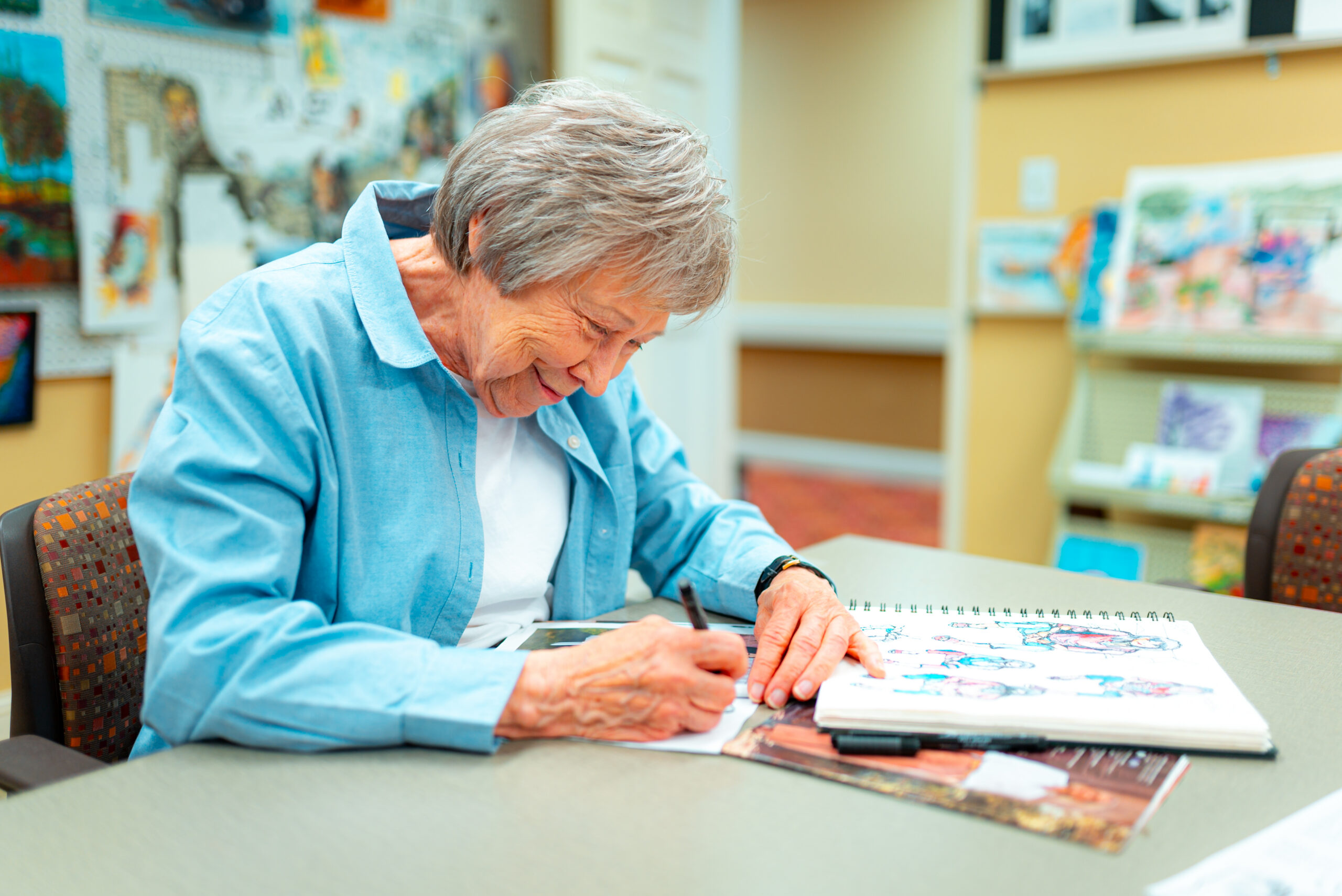
That’s why Epworth Villa offers a variety of opportunities for both fun and fascination. Residents can pick up woodworking at our onsite shop or get their creative juices flowing in our arts and crafts studio.
2. Supports Emotional Well-Being
Learning something new can also have a positive effect on your mental health. l. Having a class to attend, a project to work on, or a hobby to enjoy gives each week more structure and something to look forward to.
Studies have associated creative activities for older adults with lower stress levels, greater life satisfaction, and an improved sense of well-being because they encourage focus, enjoyment, and engagement with others, according to the World Health Organization.
3. Encourages You to Stay Active
Not every learning experience happens while sitting in a classroom. Activities such as water aerobics, dance, tai chi, gardening, and fitness classes combine learning with movement, helping older adults build new skills while supporting strength, balance, flexibility, and overall wellness.
Staying physically active is another important part of healthy aging, and learning new ways to move can make exercise feel more enjoyable and sustainable.
4. Brings Purpose to Everyday Life
One of the biggest changes during retirement is having more free time on your hands. While many people welcome that freedom, some also miss the structure, progress, and accomplishment that working once provided.
Learning something new can help fill this space in meaningful ways. A weekly class, a woodworking project, a garden you’re tending, or a book you’re discussing with friends gives you something to anticipate, work toward, and celebrate. Instead of simply filling your calendar, these experiences help create days that feel rewarding and purposeful.
5. Helps Build Meaningful Friendships
Many long-term friendships begin with a shared interest. Joining a book club or art class, volunteering with a local non-profit, or participating in a discussion group are easy, simple ways to meet people who enjoy the same experiences and conversations you do.
Learning alongside others creates opportunities to exchange ideas, encourage each other, and build relationships that often extend well beyond the classroom or activity itself.
One resident, Sallie Spillman, describes the experience perfectly after attending Epworth Villa’s water aerobics classes:
“When we are all together laughing and having fun, we can’t wait to come back again. We have so much fun that we forget what we are doing is good for us!”
It’s a wonderful reminder that lifelong learning and wellness aren’t just about building new skills; they’re also about finding joy, sharing experiences, and creating friendships that make retirement richer.
Strong social connections are also important for emotional well-being. Read our guide to why friendship matters in retirement to learn how life at Epworth Villa creates everyday opportunities for residents to build friendships, stay engaged, and enjoy this season of life.
6. Builds Confidence at Every Age
Realizing you can still learn, adapt, and grow at any age is deeply satisfying and rewarding. Whether it’s mastering a smartphone, completing your first watercolor painting, improving your balance through tai chi, or learning the movements in a dance class, each new achievement is a reminder that personal growth does not end with retirement.
Confidence often grows one small success at a time. And with every new skill, many older adults discover that they are capable of far more than they imagined.
Lifelong Learning for Seniors at Epworth Villa
At Epworth Villa, lifelong learning is woven into community life in many ways. Residents can take part in educational, cultural, recreational, wellness, and spiritual opportunities while enjoying a community designed to support a full and engaging retirement.
Resident-led groups are an important part of that experience. The popular Inquiring Minds group gives resident experts and guest speakers an opportunity to share presentations on topics such as history, music, fine arts, mathematics, economics, and more. Residents also enjoy the Write Group, where residents share stories or book ideas and hear from others as well.
Learning also happens in everyday moments: a conversation after a program, a new class at the fitness center, a creative afternoon in the art room, a discussion with neighbors, a walk through the garden, or a quiet hour in the library. For many people, that is one of the most enriching benefits of continuous learning and development in retirement. It keeps life interesting. It gives them something to look forward to every day. It helps older adults continue growing, contributing, and connecting in personal, meaningful ways
Schedule a personal tour to experience how creativity, connection, and lifelong learning come together at Epworth Villa.
Frequently Asked Questions
Q: What is lifelong learning for seniors?
A: Lifelong learning for seniors is the ongoing process of learning new skills, exploring interests, and gaining knowledge throughout retirement. It can include taking classes, joining discussion groups, learning technology, pursuing creative hobbies, attending lectures, volunteering, or developing new talents. Lifelong learning helps older adults stay mentally engaged, socially connected, and actively involved in everyday life.
Q: How can I learn new skills in retirement?
A: The best way to learn new skills after retiring is to start with an activity that genuinely interests you. You might join a book club, take an art or technology class, learn a musical instrument, volunteer, or revisit a hobby you once enjoyed. Choosing activities you look forward to makes it easier to stay motivated, build confidence, and continue learning over time.
Q: What are some examples of good creative activities for older adults?
A: Some of the best creative activities for older adults encourage learning, self-expression, and social connection. Popular options include:
- Art: Painting, drawing, or pottery
- Hands-on hobbies: Woodworking, gardening, floral arranging, cooking, and baking
- Music and performance: Singing, learning a musical instrument, dance, or community theater
- Writing and storytelling: Journaling, creative writing, memoir writing, and storytelling groups
- Photography and technology: Photography, digital art, or learning new technology skills
- Social learning: Book clubs, discussion groups, lectures, and art classes
- Sewing: Quilting, knitting, and other crafts